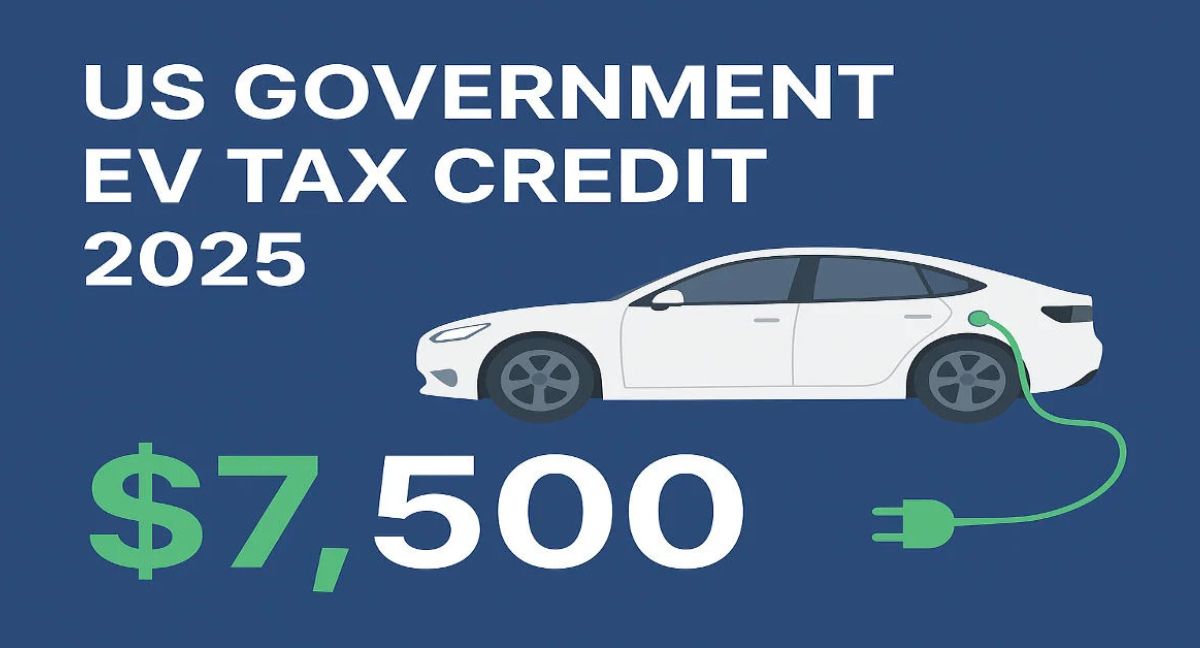
The US Government EV Tax Credit 2025 plays a major role in helping consumers afford electric vehicles. With electric transportation expanding rapidly across the country, the Clean Vehicle Credit has become one of the most important tools to reduce the upfront cost of EV ownership. However, 2025 is also a deadline year, and many rules have changed — making it essential for buyers to understand the program before making a purchase.
This guide breaks down the credit in a clear, easy-to-understand way so you can make confident purchasing decisions.
Table of Contents
ToggleWhat Is the Clean Vehicle Credit?
The Clean Vehicle Credit is a federal non-refundable tax credit offered by the IRS for qualifying new and used electric vehicles. It is divided into two main incentives:
| Credit Type | Maximum Amount | Applies To |
|---|---|---|
| New Clean Vehicle Credit (IRC 30D) | Up to $7,500 | New EVs and plug-in hybrids |
| Used Clean Vehicle Credit (IRC 25E) | Up to $4,000 | Used EVs at least 2 years old |
This credit helps reduce the purchase price of EVs and supports nationwide adoption. But 2025 includes critical changes, including a major expiration deadline on September 30, 2025.
Why the 2025 EV Tax Credit Matters
The federal credit is important for several reasons:
1. Lower Purchase Costs
EVs usually have higher upfront prices than traditional cars. The tax credit reduces the price significantly.
2. Government Push for Clean Energy
The federal incentive sends a strong signal to automakers and consumers that EV adoption is a national priority.
3. Deadline Approaching Fast
Most federal EV tax credits end after September 30, 2025. Buyers who miss the deadline may lose thousands of dollars in incentives.
4. More Complex Rules
Eligibility now depends on:
-
Income limits
-
Battery sourcing
-
Vehicle assembly
-
Sticker price (MSRP)
-
Delivery and contract timing
Understanding these rules is essential to avoid losing the credit.
Eligibility Rules for New EVs in 2025
To claim up to $7,500, buyers must meet several key requirements. Below is a simplified breakdown.
A. Income Limits
| Filing Status | Maximum MAGI Allowed |
|---|---|
| Single / Married Filing Separately | $150,000 |
| Head of Household | $225,000 |
| Married Filing Jointly | $300,000 |
If your income exceeds these limits, you cannot claim the credit.
B. MSRP Caps
| Vehicle Type | MSRP Limit |
|---|---|
| SUVs, Vans, Pickup Trucks | $80,000 |
| Sedans & Smaller Vehicles | $55,000 |
If the EV’s sticker price is above the cap, the credit is not available.
C. Assembly and Battery Sourcing Rules
To qualify:
-
Vehicle must be assembled in North America.
-
Battery components and minerals must meet strict sourcing requirements.
-
Each requirement unlocks $3,750, for a total of $7,500.
D. Delivery and Timing Rules
The IRS requires:
-
A binding sales contract and payment executed on or before September 30, 2025.
-
Delivery can happen later, depending on IRS transition rules.
Used EV Tax Credit Eligibility (Up to $4,000)
The used EV credit works differently and has tighter limitations.
| Requirement | Description |
|---|---|
| Vehicle Age | At least 2 years old |
| Purchase Price | Must be $25,000 or less |
| Buyer Status | Must be an individual and not the original owner |
| Income Limits | Generally lower than new EV credit |
| Battery Requirements | 7 kWh minimum |
| Weight Limit | Under 14,000 lbs |
Because of these limits, not all used EVs qualify — but many affordable models do.
How to Claim or Transfer the EV Tax Credit
There are two ways to use the federal incentive.
A. Claim on Your Tax Return
-
File IRS Form 8936 with your annual tax return.
-
Applies the credit to your tax liability.
-
Non-refundable — it can reduce your tax bill to zero but cannot produce a refund.
B. Transfer the Credit at Point of Sale
Since 2024, buyers can transfer the credit directly to the dealer.
Benefits:
-
Immediate discount on purchase
-
No waiting until tax season
Requirements:
-
Dealer must be IRS-registered
-
Buyer must still meet income rules
C. Leasing Rules
If you lease an EV:
-
The leasing company receives the credit, not the driver.
-
Many leasing companies pass the credit on as a discount.
Expiration of the EV Tax Credit: What Happens After September 30, 2025?
The federal EV tax credit for both new and used vehicles will end unless Congress extends or modifies the program.
| Credit Type | Status After Sept 30, 2025 |
|---|---|
| New EV Credit (up to $7,500) | Ends |
| Used EV Credit (up to $4,000) | Ends |
| Exceptions | Limited, varies by automaker |
This deadline is expected to cause a surge in EV purchases during summer 2025.
Examples of EVs Likely to Qualify in 2025
| Vehicle Model | Model Years | Credit Amount | MSRP Cap Applies |
|---|---|---|---|
| Acura ZDX | 2024–2025 | Up to $7,500 | Yes |
| Cadillac Lyriq | 2024–2026 | Up to $7,500 | Yes |
| Chevy Blazer EV | 2024–2026 | Up to $7,500 | Yes |
| Kia EV6 | 2025 | Up to $7,500 | Yes |
Always verify eligibility using the IRS Clean Vehicle Lookup Tool.
State-Level EV Incentives (Additional Savings)
Many states offer extra rebates and perks, such as:
| State Benefit Type | Examples |
|---|---|
| Purchase Rebates | $1,000–$7,500 rebates depending on location |
| HOV Lane Access | California, Arizona, etc. |
| Registration Fee Waivers | Certain states |
| Charging Incentives | Utility-company rebates |
Always check whether federal and state incentives can be combined.
Common Mistakes Buyers Make
Avoid these issues to prevent losing the credit:
-
Ignoring income limits
-
Purchasing a vehicle above the MSRP cap
-
Assuming every EV is eligible
-
Missing the September 30, 2025 deadline
-
Failing to check dealer participation for point-of-sale transfer
-
Buying a used EV above $25,000
Each mistake can cost you thousands of dollars.
What the End of the Credit Means for Buyers and Automakers
With the federal credit ending soon, several changes may occur:
-
Higher EV prices for consumers
-
Potential slowdown in EV adoption
-
Automakers may increase incentives or discounts
-
Higher demand before the deadline
-
Possible impact on used EV resale values
Planning your purchase early helps avoid supply shortages later.
Step-by-Step Checklist for Buying an EV in 2025
-
Estimate your income to confirm eligibility
-
Shortlist EVs that meet the IRS rules
-
Confirm MSRP, assembly location, and battery sourcing
-
Check if your dealer supports point-of-sale transfer
-
Sign a binding contract before Sept 30, 2025
-
Keep all documents for tax purposes
-
Apply for any state incentives
-
File IRS Form 8936 if claiming through taxes
Conclusion
The US Government EV Tax Credit 2025 is one of the best opportunities for Americans to reduce the cost of owning a new or used electric vehicle. But with the program scheduled to end later in the year, buyers must act quickly and carefully.
Understanding the rules, qualifying requirements, deadlines, and documentation will help you make the most of this incentive while it’s still available.
1 thought on “US Government EV Tax Credit 2025”